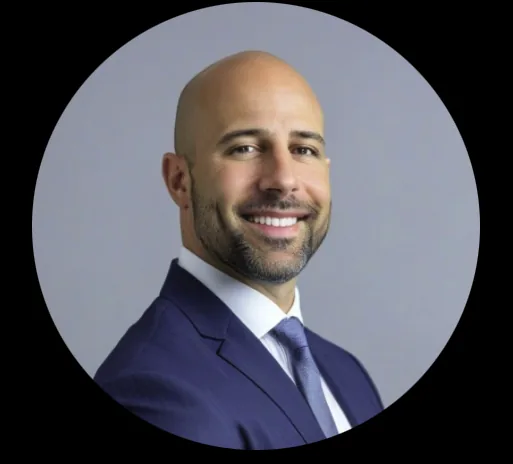
Dr. Burton J. Tabaac is a neurologist and Fellow of the American Heart Association at the forefront of psychedelic medicine research. In Chapter 13 of Handbook for Human Potential, he provides a rigorous, evidence-based overview of how psilocybin, ketamine, and MDMA therapies are reshaping our understanding of brain healing, neuroplasticity, and treatment-resistant mental health.
Published · Updated
Author Interviews & Talks
Interview Coming Soon
Burton will be featured in an upcoming author interview. Subscribe to stay notified.
Handbook for Human Potential
Who is Dr. Burton J. Tabaac?
Burton J. Tabaac, MD, FAHA is an Associate Professor of Neurology at The University of Nevada, Reno School of Medicine, dedicated to the cutting-edge treatment and prevention of neurological diseases. He serves as the Section Chief of Neurology and Medical Director of Stroke affiliated with Carson Tahoe Health.
Dr. Tabaac is a graduate of the fellowship program in cerebrovascular neurology at The Johns Hopkins University Hospital (2019). After graduating from AUC School of Medicine (MD, 2014), Tabaac completed a neurology residency at Rutgers Robert Wood Johnson, where he was a three-time recipient of The Arnold P. Gold Foundation's Humanism and Excellence in Teaching Award (2016, 2017, and 2018).
Tabaac's research interests in the psychedelics space are focused on the potential for healing traumatic brain injury and promoting rehabilitation in stroke patients. He served as a TEDx speaker in 2022 at UCLA, presenting "Mental Health Meets Psychedelics." As of 2023, he was welcomed as a Special Advisor to the Board for The McKenna Academy of Natural Philosophy. In 2024 he was appointed as a Member of the Psychedelic Medicines Working Group for Nevada State.
As of 2025 he is working as a research clinician on the PHATHOM project under the guidance of Gül Dölen of UC Berkeley, pairing psilocybin and enriched environments to promote motor recovery after stroke.
“Psychedelics help the brain rewire itself and potentially regain lost function.”
— Dr. Burton J. Tabaac, Brain Healing with Psychedelics
Key Takeaways to Implement
From the end of Burton's chapter
- 1
Educate yourself on the potential benefits and risks of psychedelic-assisted therapies by consulting reputable scientific sources. Stay informed as research rapidly advances in this field.
- 2
Advocate for evidence-based policies and increased access to psychedelic therapies. Amplify your voice through organizations like MAPS or the Beckley Foundation, and engage locally with psychedelic societies and integration circles.
- 3
Contemplate the profound insights, empathy, and interconnectedness fostered by psychedelic experiences — reflect on how they could catalyze personal growth and positive societal transformation.
- 4
Engage in thoughtful discourse around the transformative potential of psychedelics, always grounding discussions in scientific evidence and responsible use.
- 5
Follow Dr. Tabaac's research at linkedin.com/in/burtontabaac and YouTube @btabs for the latest findings on psychedelics and neurological healing.